
ABOUT
[ About ]■
There's something about holding a roll of film that slows everything down.
You think before you shoot. You wait. And somewhere in that waiting, something honest happens.
We started Grain because we believe that slowness shows. That an image made with patience looks different from one made in a hurry — even if you can't explain exactly why. You just feel it.
Film doesn't forgive. It doesn't let you shoot 400 frames and pick the best one. It asks you to be present, to commit, to trust your eye. And when it works, it really works.
Every print in this shop came from that process. Shot on medium format film, printed on archival paper, made to live on your wall for decades.
The grain is part of it. Always has been.
Take it with a Grain.
[ HISTORY ]THE PROCES
It starts with a camera and a roll of film — sometimes 35mm, sometimes 120 format loaded into a Mamiya RB67 Pro S, one of the most unforgiving and rewarding cameras ever made.
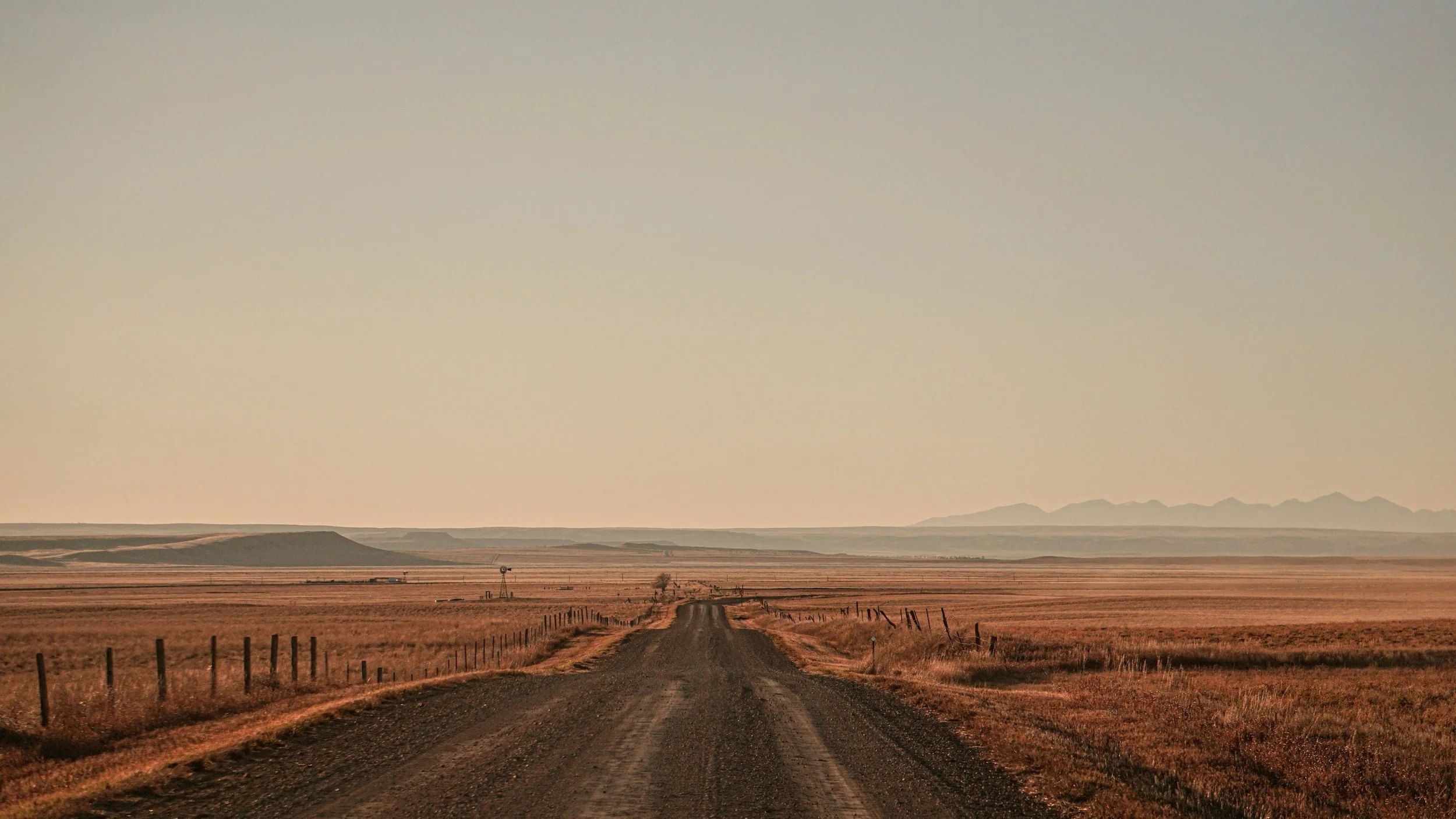
No location is off limits. No moment is planned too far ahead. The best frames happen when you show up somewhere, slow down, and actually look — whether that's a backstreet in Tokyo, a field somewhere in Europe, or a rooftop at golden hour with the right kind of light.
Every roll gets developed and sent to print with Profotonet, a fine art lab that takes quality as seriously as we do. The result is a print with the kind of depth and detail that only film can produce — grain, tones, and all.
From camera to wall, every step is deliberate. That's the whole point.
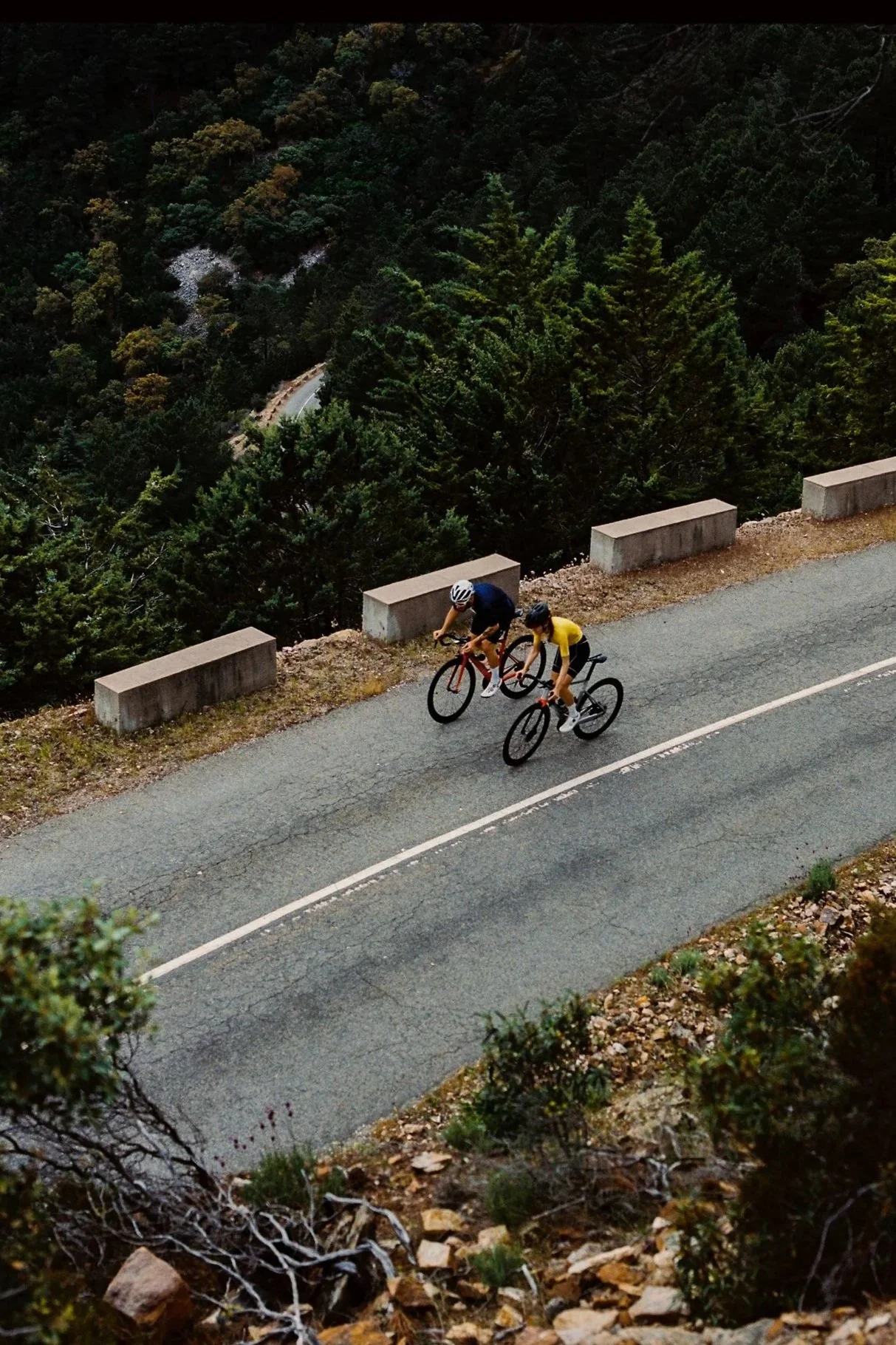
THE PERSON BEHIND THE GRAIN
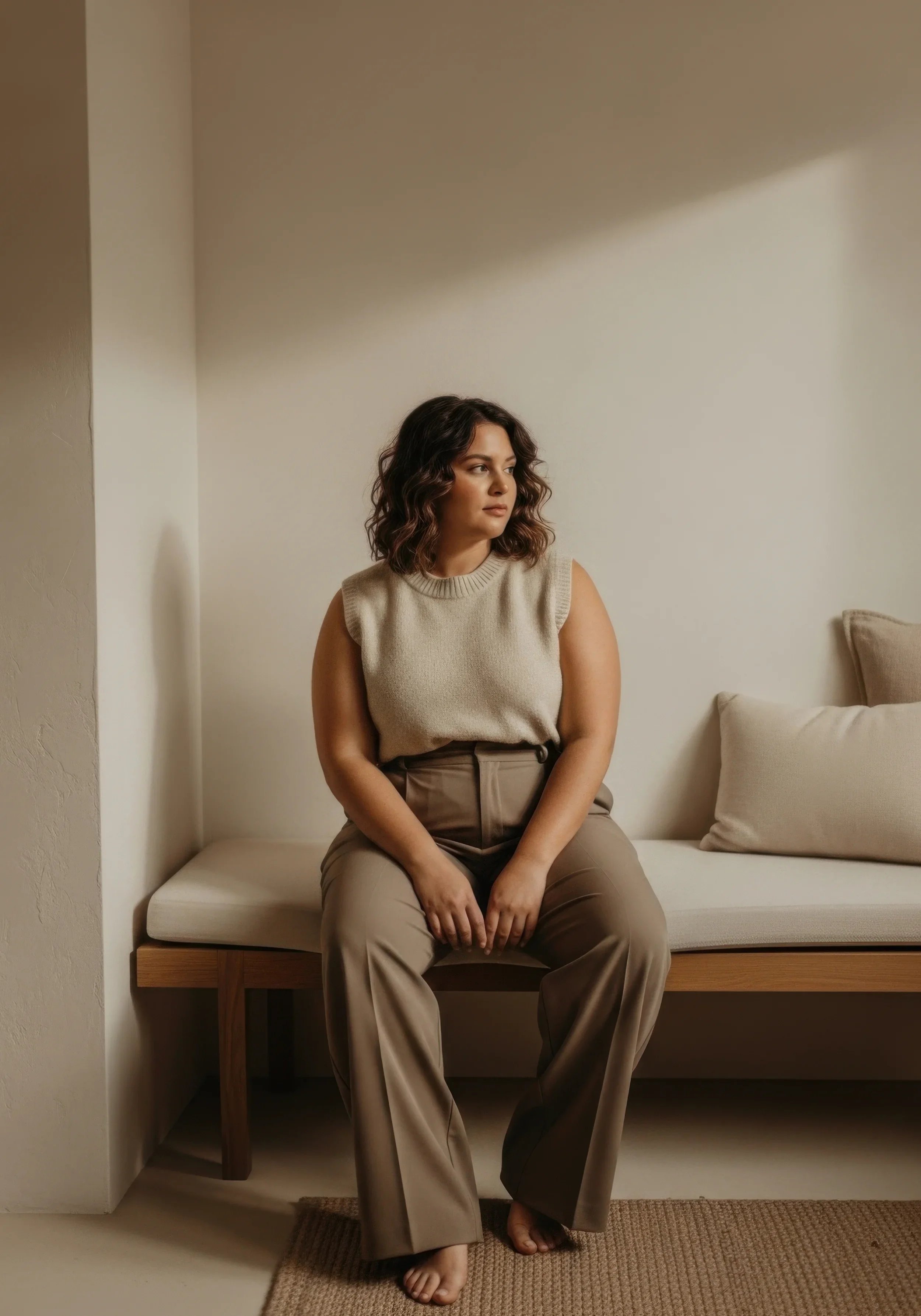
Jonas, 24, based in Ghent, Belgium.
My father introduced me to photography before I even knew what it was. As kids, my brother and I were dragged to exhibitions and galleries every other weekend — spending more time chasing each other through the rooms than actually looking at the work. Turns out some of it stuck anyway. Sorry dad, better late than never.
For a long time I was looking for something that gave me energy instead of taking it. Then I found analog photography, and honestly, that was that. No long deliberation, no pros and cons list — just an immediate, slightly obsessive, never looked back kind of thing.
Film doesn't let you fake it, which I love. What you put in is what you get out. It keeps you moving, keeps you curious, and gives you a pretty solid excuse to show up in interesting places around the world with a camera that weighs more than your carry-on luggage.
The world is the studio. Every city, every backstreet, every unexpected moment in a place you weren't supposed to end up — that's where the work happens. Grain is what happens when all of that — the movement, the curiosity, the stubbornness to shoot on film — ends up on your wall.